Reinventing antimicrobials through Integrative Structural Biology
24 April 2026
The Structural Biology Consortium (SBGrid), located in Harvard, has recently made a highlight on the research activities of the team “Structural Biology of Novel Targets in Human Diseases”, led by Andrés Palencia.
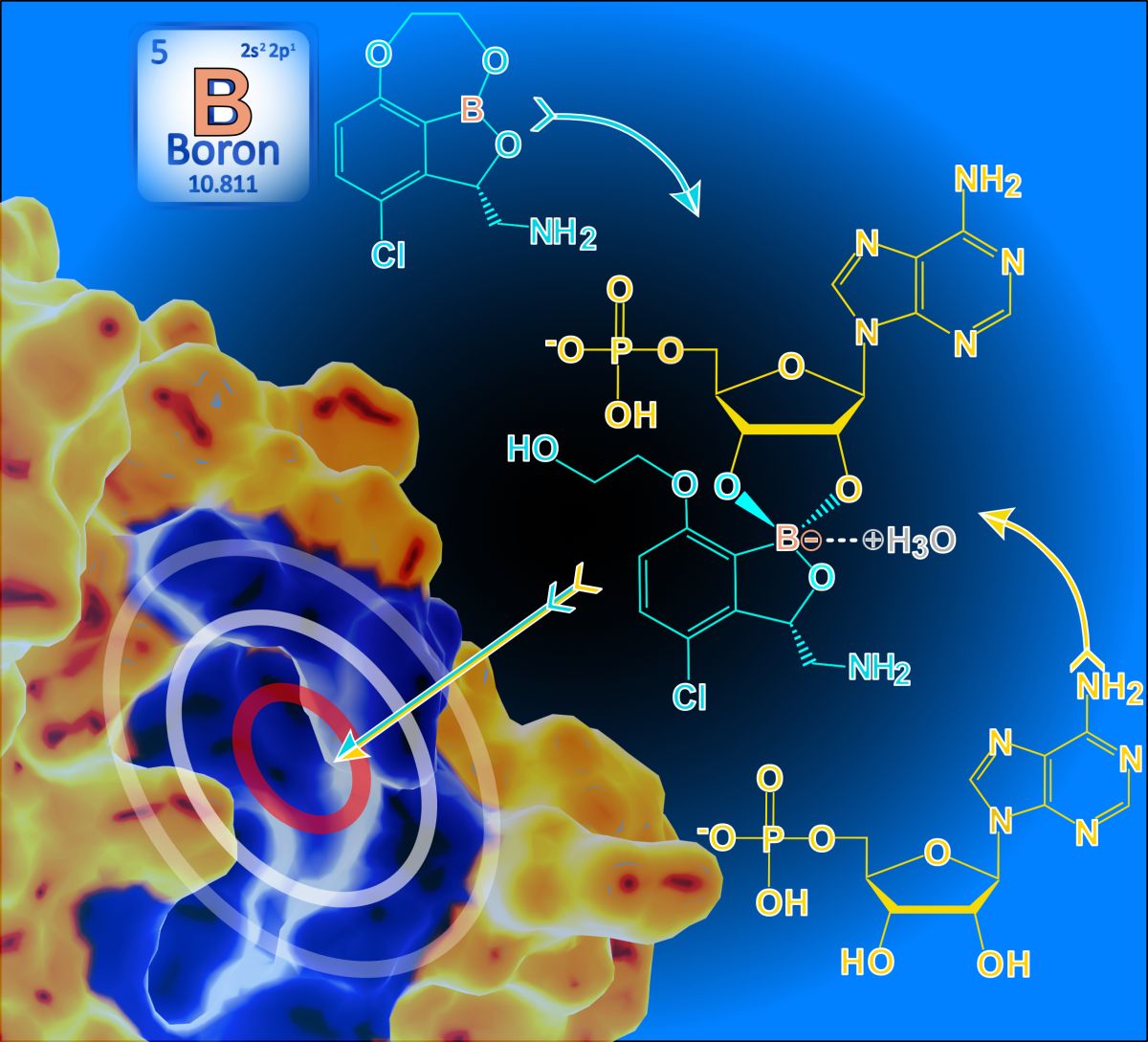
The team studies how RNA interacts with proteins in pathogens to develop new drugs against hard-to-treat infections like tuberculosis, malaria, and parasitic diseases. Their work focuses on blocking key steps in protein production, for instance targeting an enzyme called LeuRS, which is essential for building proteins in bacteria.
Using structural biology, Andrés Palencia and his team helped design new compounds such as Ganfeborole (for tuberculosis), which has completed a phase 2 clinical trial, and other experimental drugs targeting bacteria and parasites.
The team also explores another drug target, the CPSF3 enzyme, important for parasite survival, and studies “protein breathing”—the dynamic movements of proteins—which could open new ways to design drugs by targeting protein motion rather than static structures.
To read the SBGrid Consortium article, click here.