Hereditary cancer: a key role of the immune system
26 January 2026
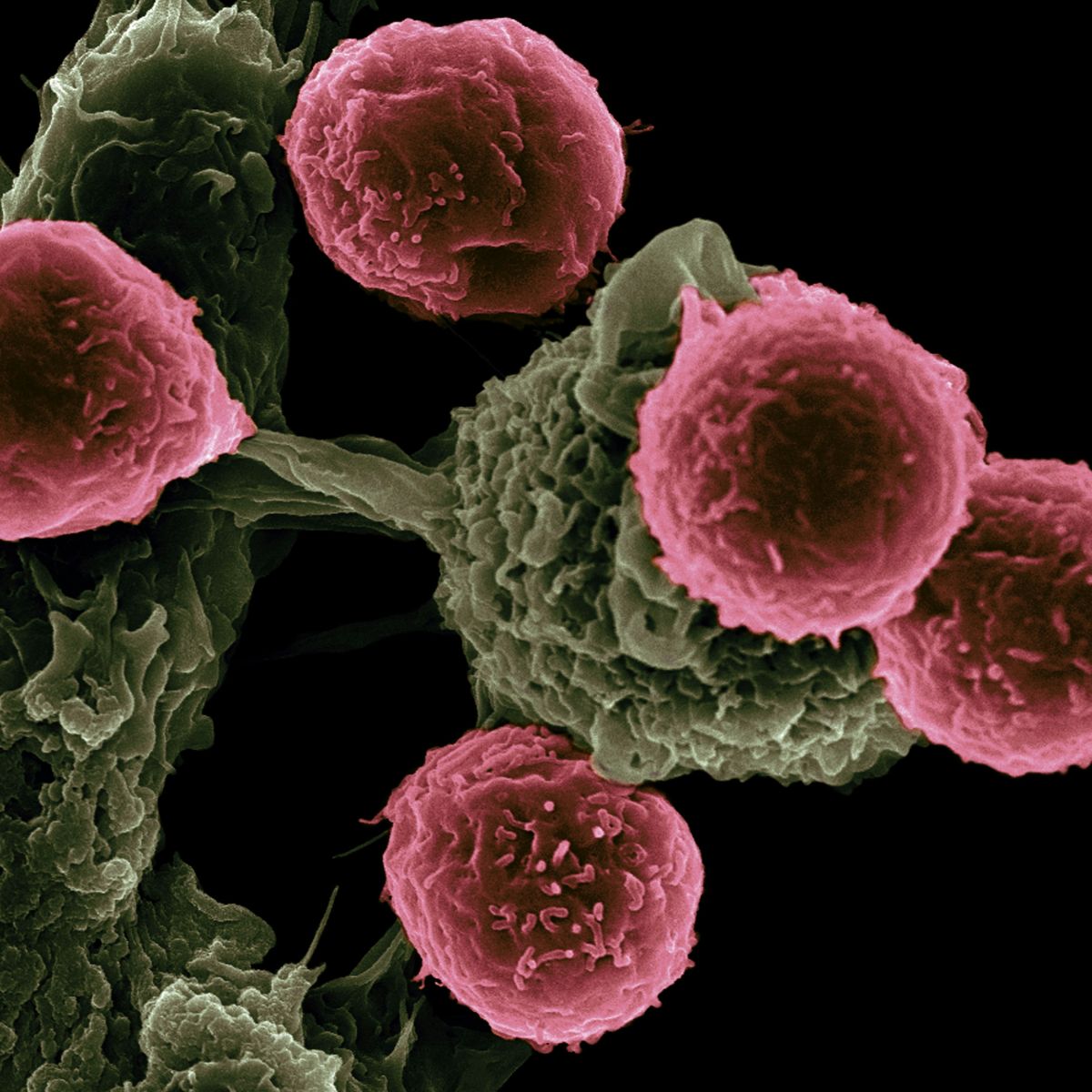
Li-Fraumeni syndrome is a rare genetic disorder that puts carriers at very high risk of developing cancer during their lifetime, often starting in childhood or early adulthood. It is caused by hereditary mutations in the TP53 gene, which plays a key role in protecting against tumors. In individuals carrying these mutations, the age of onset and type of cancer can vary considerably, without these differences being fully explained. A new international study coordinated by researchers at the IAB suggests that the immune system may contribute to this variability, opening up new avenues for more personalized care.
The researchers analyzed the “neoantigenic” properties of different TP53 mutations, i.e., their ability to be recognized by the immune system. These neoantigenic predictions were cross-referenced with genetic and clinical data from international cohorts of several thousand people with Li-Fraumeni syndrome.
The results show that individuals carrying TP53 variants that are predicted to be recognized by the immune system develop their first cancer later on average and are less likely to develop certain cancers typically associated with the syndrome, such as soft tissue and bone sarcomas. While this immune recognition does not prevent the onset of cancer, it could modulate the risk and trajectory of the disease. Ultimately, this work could help refine individual risk assessment and tailor surveillance strategies for these patients. More broadly, it illustrates the potential role of interactions between genetics and immunity in hereditary diseases.
Source :
Neoantigenic properties of TP53 variants influence cancer risk in individuals with Li-Fraumeni syndrome
Montellier E, Manches O, Gaucher J, Freycon C, Hoyos D, Blanchet S, Verboom M, Dutzmann CM, Coutant S, Bou J, Fin B, Olaso R, Deleuze JF, Frébourg T, Greenbaum BD, Levine AJ, Kratz CP, Bougeard G, Hainaut P.
EBioMedicine. 2025 Dec 9;123:106065. doi: 10.1016/j.ebiom.2025.106065